How to Plan a Smooth Wedding Day Timeline?
After months of planning, your wedding day can seem to disappear in an instant. There is getting ready, meeting family, welcoming guests, completing traditions, taking photographs, enjoying the meal, and finally celebrating together. With so much happening, having a clear timeline can help the day feel organised without making it feel overly structured. The purpose of a wedding timeline is not to control every moment. It is to make sure the important moments have enough time and space to happen comfortably.
Start With the Fixed Moments
Begin by identifying the parts of your wedding day that have a specific time. This could be the main ceremony, traditional rituals, reception entry, speeches, performances, or other important events. Once these fixed moments are established, build the rest of the day around them. This gives you a basic framework while leaving flexibility for activities that can move slightly if required.
Work Backward From the Main Ceremony
If your ceremony begins at a particular time, work backward to understand when everything before it should begin. Consider the time needed for hair and makeup, dressing, jewellery, photographs, family interactions, and moving to the ceremony area.
Do not forget transition time. Getting from one space to another may take only a few minutes, but gathering relatives for photographs or coordinating with vendors can take longer than expected. Planning these details in advance can prevent last-minute rushing.
Give Yourself Extra Time
A wedding morning rarely follows the clock perfectly. Makeup may take longer. An outfit may need an adjustment. Family photographs may include more people than originally planned.
Instead of creating a tightly packed schedule, leave small gaps between important activities. These buffers give you room to handle unexpected changes without allowing one delay to affect the rest of the day. More importantly, they give you a chance to actually enjoy the day.
Think About the Guest Journey
The timeline should not focus only on the couple. Think about when guests will arrive, where they will wait, when refreshments will be served, and when they will be guided toward the ceremony or reception.
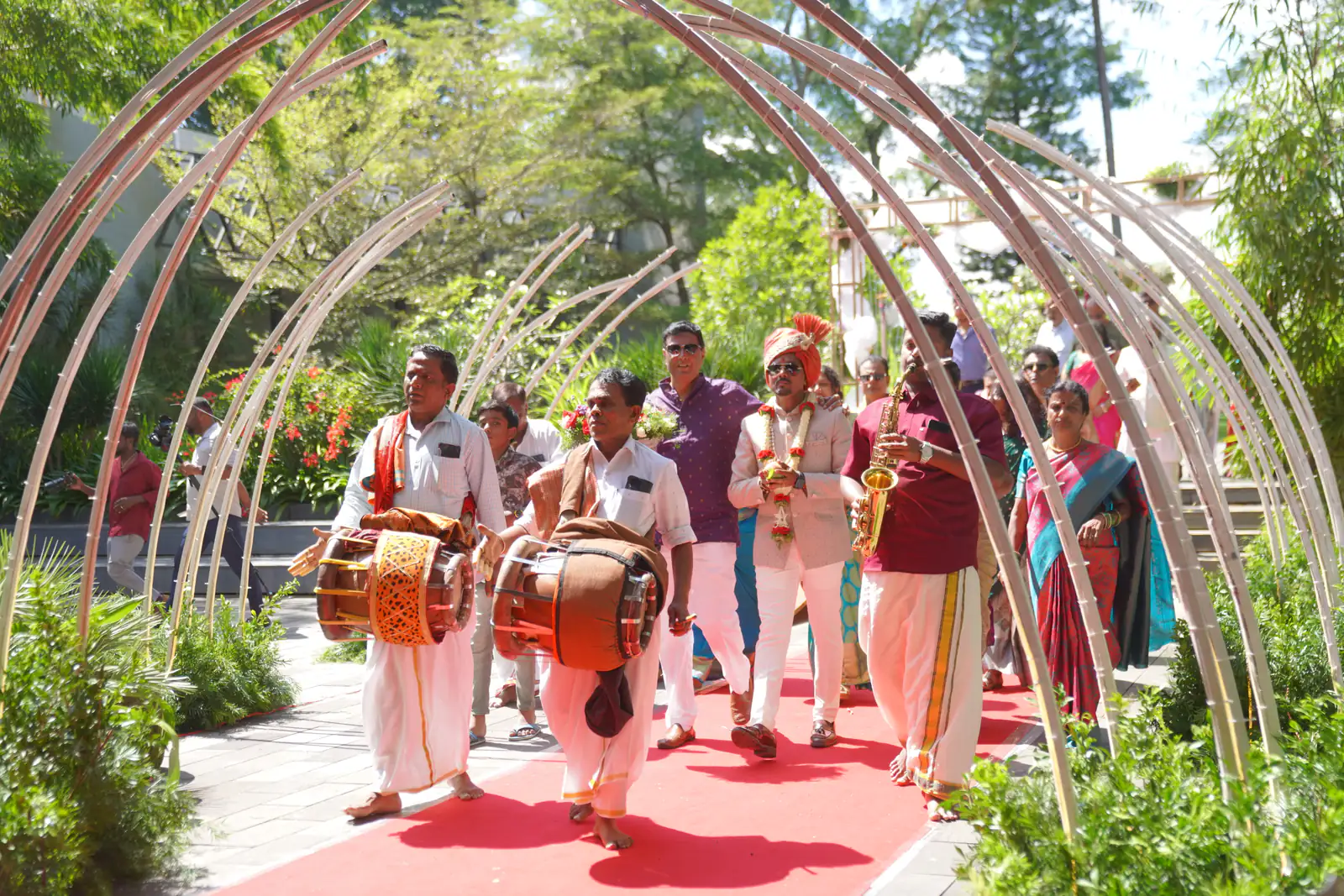
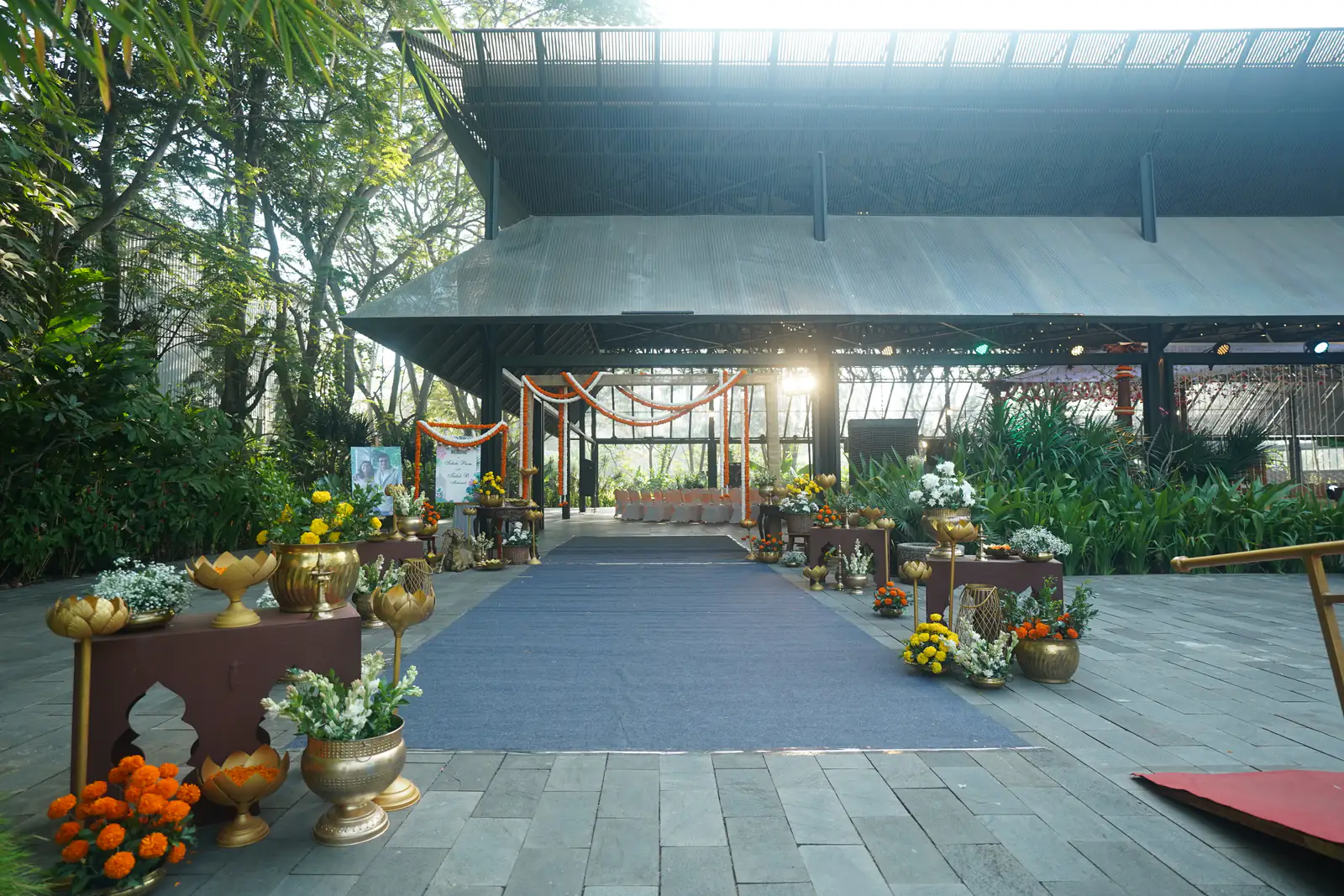
Guests should not have to repeatedly ask where they need to go. A thoughtfully planned wedding venue in Bangalore can make this easier by providing appropriate spaces for different stages of the celebration. Simple signs, clear communication, and good coordination can make the experience much more comfortable.
Plan Photography Before the Wedding
Photography can easily affect the wedding schedule if it is not planned in advance. Speak with your photographer about the photographs that are most important to you. Create a list of essential family combinations and make sure those family members know when they are needed.
Schedule Couple Portraits:
If possible, schedule couple portraits during a suitable window rather than trying to fit everything in at the last moment. This allows you to capture meaningful memories without spending too much of your celebration away from your guests.
Coordinate Meals and Entertainment
Food, performances, speeches, and other activities should be arranged in a way that feels natural. Avoid placing major stage activities during a time when guests are expected to be eating.
Keep the Celebration Flowing:
Likewise, keep performances and speeches reasonably paced so that guests remain engaged. A well-balanced timeline allows every part of the celebration to have its own moment.
Give Someone Else the Clock
The couple should not be responsible for monitoring the schedule. Choose a trusted family member, wedding coordinator, or event professional to keep track of timings.
Let Someone Coordinate:
They can coordinate with vendors, gather family members for photographs, communicate changes, and make sure the next activity is ready. This small decision can make a significant difference.
You should be experiencing your wedding not managing it from behind the scenes.
Leave Space for Unplanned Memories
Not every beautiful moment can be scheduled. It may be a quiet conversation with a parent, an unexpected laugh with friends, a spontaneous photograph, or a few peaceful minutes with your partner.
Leave some breathing room for these moments. A wedding timeline should provide structure, but it should never take away the freedom to simply be present.

Remember the End of the Celebration
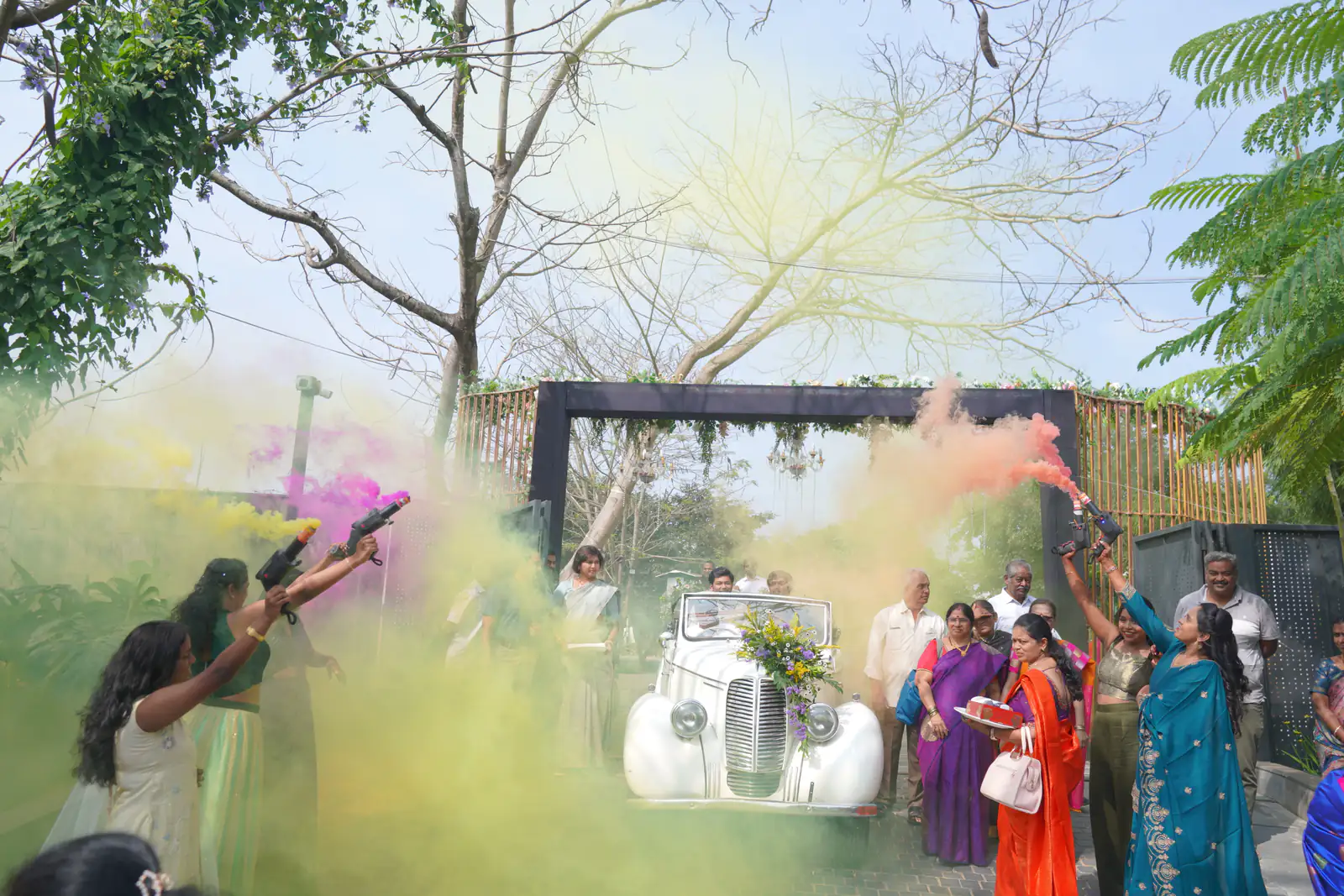
The final part of the day deserves planning too. Allow enough time for farewell photographs, conversations with family, guest departures, and transportation arrangements.
If guests are travelling to accommodation after the event, make sure they have the necessary information in advance. A thoughtful ending can make the entire experience feel complete.
Plan Carefully, Then Let the Day Unfold
A smooth wedding day does not mean everything happens exactly at the planned minute. It means the important details have been considered, the people responsible know what they are doing, and there is enough flexibility to handle the unexpected.
At KBL Saarang, thoughtfully designed spaces create an elegant environment for ceremonies, gatherings, dining, and the spontaneous moments that make celebrations meaningful.
The most memorable wedding days are not necessarily the ones that follow the schedule perfectly. They are the ones where the couple has enough peace of mind to look around, take it all in, and enjoy the people who came to celebrate with them.
Conclusion
A smooth wedding timeline provides structure without taking away from the joy of the celebration. When the important details are planned in advance and someone else is responsible for managing the clock, couples can focus on being present and enjoying the people around them.
A well-planned timeline keeps the day moving, but the unplanned moments are often what make it yours.
Take care of the timeline before the celebration, so you can be fully present when the moment arrives.